
Arabic
Arabic Studies at GEMS Jumeirah Primary School
At GEMS Jumeirah Primary School, we are committed to delivering a high quality Arabic language programme that nurtures confident communicators, critical thinkers and culturally aware global citizens.
Our Arabic curriculum supports students from Foundation Stage to Year 6, ensuring strong foundations in phonological awareness, reading, writing, speaking and comprehension, while progressively developing higher level literacy, analytical thinking and expressive skills.
We believe Arabic is not only a subject to be learned, but a language to be lived. Through meaningful immersion, structured teaching, guided reading, social studies integration and enrichment opportunities, students experience Arabic as a language of communication, identity, culture and academic growth.
At JPS, we aim to inspire a lifelong love of the Arabic language while equipping our students with the skills to use it purposefully, accurately and confidently.
How We Structure Arabic Learning (Foundation Stage to Year 6)
Foundation Stage and Year 1
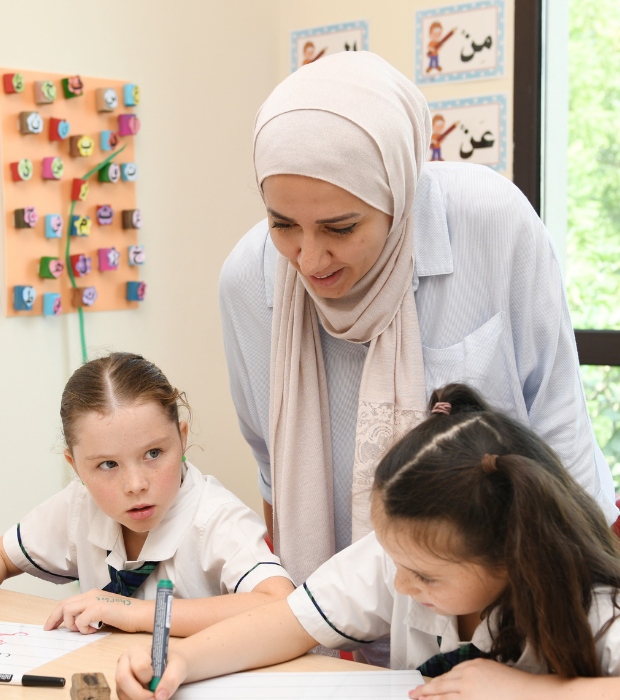
In the early years, Arabic is delivered through an immersive, play based approach that builds strong foundations in vocabulary, speaking and phonological awareness. Specialist teachers integrate storytelling, rhythm, sound games and structured language activities to develop early literacy skills in a meaningful and engaging way.
Arabic is integrated into one third of the instructional day, allowing children to experience authentic and purposeful language use across a variety of contexts. Arabic speaking and non Arabic speaking students receive differentiated instruction according to their language pathway, while immersion sessions bring students together to promote inclusive language exposure and shared learning experiences.
Years 2 to 6
From Year 2 to Year 6, students study Arabic as either:
- Arabic A (for native speakers)
- Arabic B (for non-native speakers)
Arabic A students receive 240 minutes of instruction per week, and Arabic B students receive 160 minutes of instruction per week.
The curriculum progressively develops reading, writing, speaking and comprehension skills, while fostering cultural understanding, national identity and academic excellence.
Enrichment
Students take part in a range of internal and external competitions that celebrate language, creativity and confidence. These include poetry, spelling and public speaking initiatives, along with national platforms across the GEMS network and beyond.
Guided Reading for Arabic Speakers
JPS has a dedicated guided reading programme for Arabic native speakers. Guided reading plays a vital role in developing fluency, comprehension and higher order thinking skills. It supports students in strengthening their reading foundations and enhances writing and analytical abilities.
Social Studies in Arabic
Social Studies is taught in Arabic for Arabic speaking students from Year 2 to Year 6. This initiative reflects the UAE’s commitment to strengthening the Arabic language and national identity within education. Teaching Social Studies in Arabic enables students to connect with their heritage, develop critical thinking skills and strengthen their sense of national belonging.
Lesson Structure
Social Studies is taught once per week (50 minutes) from Year 2 to Year 6.In the early years, elements are integrated within the curriculum. Lessons are delivered at the same time as Moral Social Cultural (MSC) lessons for non Arabic speaking students.
Our Resources
JPS follows the KHDA approved National Curriculum for Arabic A and Arabic B.The Arabic B curriculum is adapted based on students’ instructional levels to ensure appropriate challenge and progression.
Students engage with Arabic texts, digital resources, interactive technologies and a range of age-appropriate literature to support language development.
“I love being in JPS as all teachers treat me as part of their family and they make the learning fun. What I enjoy the most is Math and I love learning Arabic, as it is my mother tongue and my favorite time is when we read Arabic fiction, especially fantasy.” - Lina Soudani
More Subjects
-
Art
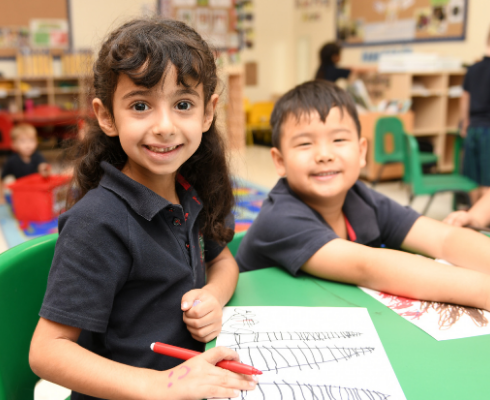
At JPS, we see Art as a driver of creativity, inspiration and imagination. We ensure that our pupils are able to communicate what they see, feel and understand through experimentation of colour and technique.
-
English
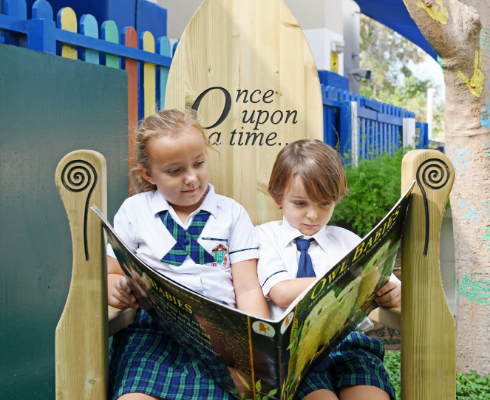
The study of English at Jumeirah Primary School is a bespoke programme of study which aims to support children in becoming confident speakers, balanced readers and to have the skills to write for specific purposes.
-
Moral, Social and Cultural Studies
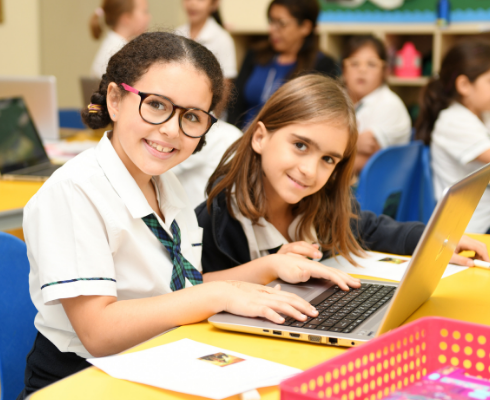
The Moral, Social and Cultural Studies curriculum at JPS aims to develop morally strong individuals who exhibit the knowledge, skills, attitudes and behaviours to make sense of the world around them and thrive as happy, successful and responsible global citizens.
-
French
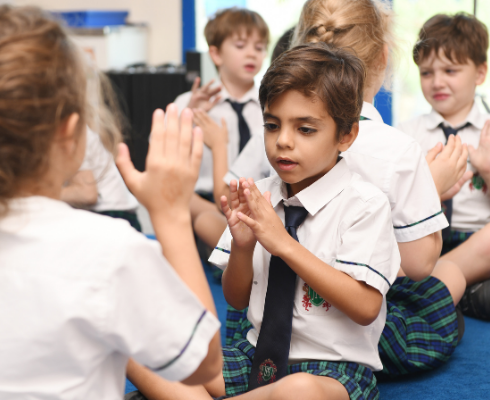
French at GEMS Jumeirah Primary School is taught by Mrs Lan Lieberman, along with Specialist Teaching Assistant, Mrs Mai Anh Tran.
-
Islamic Education
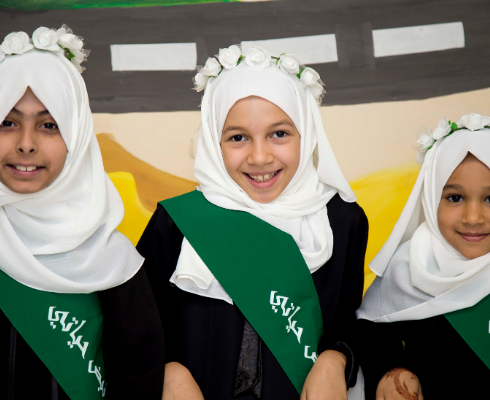
The vision of Islamic Education presented here makes a fundamental distinction between teaching about 'Islam' and teaching about 'being Muslim.' The goal of Islamic Education is not to simply fill students’ minds with information about Islam, but rather to teach them about being a good Muslim.
-
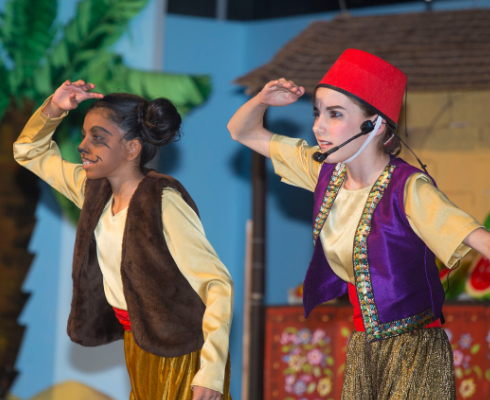
Music
The Music department at JPS offers a wide range of quality music making experiences through both our curriculum and our extra-curricular activities.
-
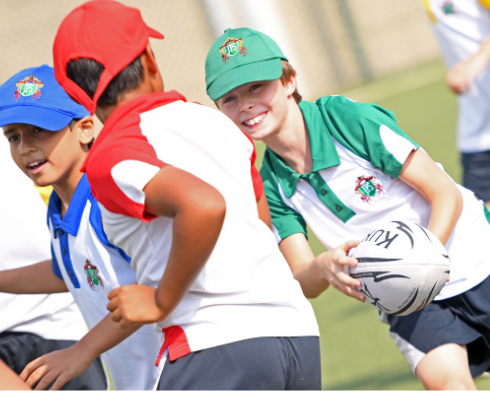
Physical Education and Sports
Physical Education and Sports are central to the educational programme at GEMS Jumeirah Primary School. We seek to educate the whole child and Physical Education forms an integral part of the whole school curriculum.
-
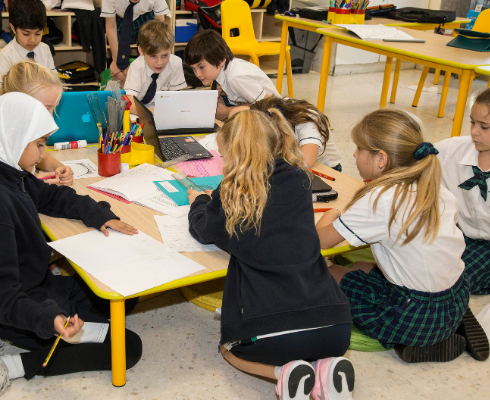
Mathematics
A high quality mathematics education provides a foundation for understanding the world, the ability to reason mathematically, an appreciation for the beauty and power of mathematics and a sense of enjoyment and curiosity about the subject.
-
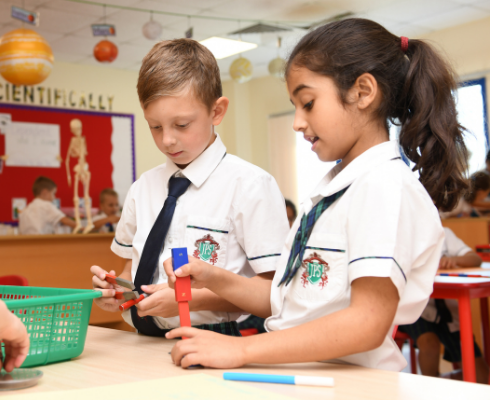
Science
At GEMS Jumeirah Primary School, we adopt a practical and applied approach towards learning in Science. Children are encouraged to believe they are thought creators and investigators who explore, question, discover, discuss and explain concepts.